Reduce CAPTCHAs with iOS 16
Discover how iOS 16's Private Access Tokens reduce CAPTCHAs, enhancing user experience and security.
With the introduction of iOS 16, Apple has implemented a feature called Private Access Tokens, designed to streamline user interactions by reducing the need for CAPTCHA challenges. This technology enables websites to verify the legitimacy of user traffic without resorting to traditional CAPTCHA tests.
One of the underrated features that launched with iOS 16 is the release of a new technology called Private Access Tokens. This is a new method for verifying the identity of a device from the internet in a secure and private way. This means websites don’t need to throw CAPTCHA challenges if they support this to try to determine if traffic is legitimate or bot-generated.
To ensure this is enabled, you can go to Settings > Apple ID > Password & Security > Automatic Verification. It should be enabled by default.
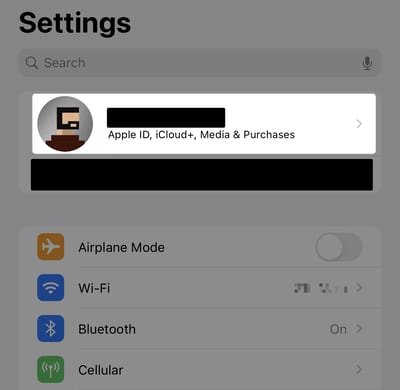
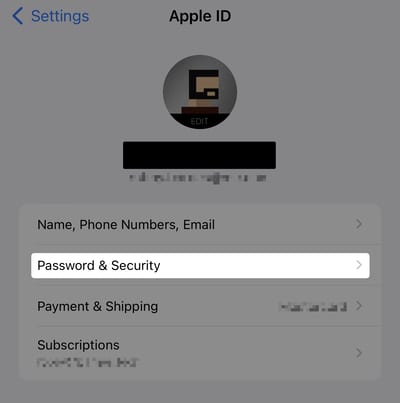
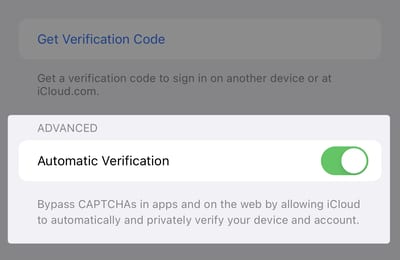
Cloudflare, one of our partners, is one of the companies that helped design and implement this technology. Read more details about it on their blog post here - How to enable Private Access Tokens in iOS 16 and stop seeing CAPTCHAs
Want help with this?
Tell us a little about your team and what you're working on. We'll follow up during business hours.
Keep reading
All postsGoogle Docs smart chips: turn documents into connected project hubs
Type @ in Google Docs to insert smart chips for people, files, dates, Calendar events, and places. Here's how each one works, plus dropdowns, placeholders, and building blocks.
Read articleIntune isn't free: what bundled device management really costs
Intune comes bundled with Microsoft 365, so it looks free. The real cost shows up in admin hours, add-on licenses, and devices nobody can confirm are patched. Here's how to weigh it, and how we help teams move to Iru.
Read articleLess busywork in Google Workspace: four updates for Drive and Sheets
Google Workspace can help organize loose files, turn pasted text into tables, explain formula errors, and flag unusual trends in BigQuery data.
Read article